

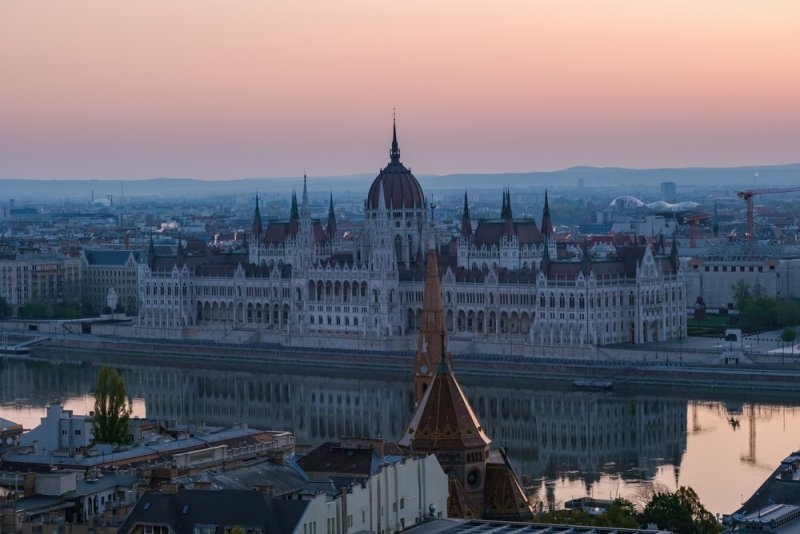
Forget the old stereotypes about Eastern Europe. Budapest isn't just a gritty backpacker stop filled with cheap beer anymore. It is a massive, sprawling metropolis that easily rivals Paris or Vienna, but only if you know how to navigate it. Most rookies show up without a plan, burn all their energy hiking the wrong side of the river, and end up eating overpriced goulash in a tourist trap. You need an actual strategy. This guide breaks down exactly how to tackle the city, skip the exhausting crowds, and actually enjoy the architecture without feeling completely overwhelmed.
Must Read: The Best Of Hungary Tours With 8-Day Hungary Itinerary
The biggest mistake you can make is treating the city like one giant neighborhood. It is literally split in half by the Danube River. Buda sits on the western bank and holds all the quiet, hilly, historical sites. Pest is the flat, chaotic eastern side where you will actually eat, drink, and sleep. Don't book a hotel up on the Buda hills unless you want to spend your entire trip waiting for taxis. Stay on the Pest side.
Also, completely forget about relying on Euros. Hungary uses the Hungarian Forint (HUF). While a few major hotels might take Euros at a terrible exchange rate, you will get ripped off every single time. Just tap your credit card. Almost every bar, subway station, and restaurant uses contactless payment now, so you barely need to carry physical cash anyway.
Top Pick: Hungary Itinerary: The Ultimate Hungary 8-Day Tour
A lot of the famous recommendations online are totally outdated or completely overrun. Here are the things to do in Budapest that actually live up to the hype if you time them right.
The Széchenyi Baths are legendary, but they turn into a crowded human soup by 11 AM. Get there at 7 AM when they open. You get the outdoor pools completely to yourself while the morning mist is still rolling off the hot water.
Szimpla Kert is the original, but it gets slammed with bachelor parties by midnight. Go around 4 PM instead. You can actually walk through the bizarre, mismatched rooms and appreciate the chaotic art without having beer spilled on your shoes.
Don't bother with the expensive dinner boats. Just book a basic sightseeing cruise that leaves right after sunset. Seeing the Parliament building lit up from the water in complete darkness is easily the best view in the city.
Skip the fancy restaurants on the main boulevards. The Jewish Quarter is packed with incredible street food setups, tiny kosher bakeries, and food truck pods serving massive portions of traditional langos and spicy sausages.
It takes some effort, but walking up Gellért Hill right before dusk pays off. You get a completely unobstructed look at the entire river dividing the city. Just bring water, because the paved paths are steeper than they look.
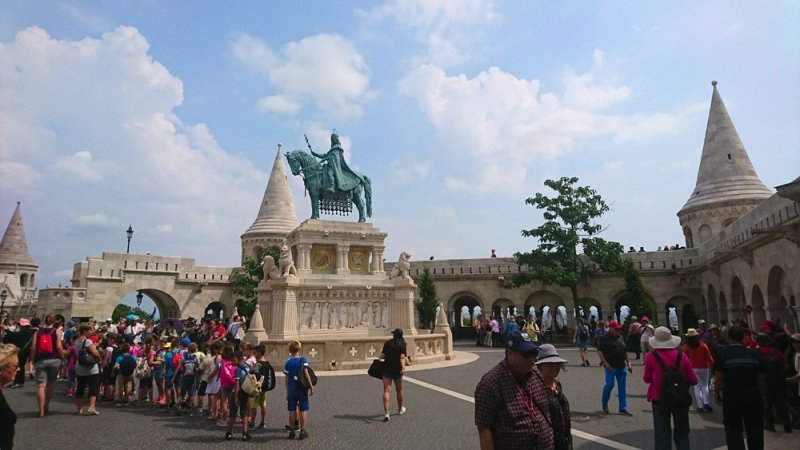
You cannot skip the heavy hitters, but you can definitely approach them smarter. When mapping out the best places to visit in Budapest, these five absolute Budapest tourist attractions need to be on your radar.
It is the third-largest parliament building in the world and looks like a massive Gothic cathedral. You have to book your interior tour weeks in advance online, or the security guards will just turn you away at the gate.
This looks like a castle ripped straight out of a fairy tale and is one of the most popular Budapest attractions. Don't pay for the upper viewing deck tickets. The views from the free lower balconies are exactly the same, and you won't have to wait in a massive line.
You can take the historic funicular up the hill, but it is heavily overpriced. Just walk the winding paths up to the palace grounds. The National Gallery inside is great, but just walking the massive stone courtyards is worth the trip alone.
Trying to cram both sides of the river into a single afternoon is a total nightmare. A solid Budapest itinerary splits the geography up so you aren't crossing the massive bridges four times a day.
Start at St. Stephen's Basilica, walk down towards the Chain Bridge, and spend the afternoon exploring the Parliament building. At night, head straight into the Jewish Quarter for heavy street food and ruin bar hopping.
Cross the river early and climb up to Fisherman's Bastion and Buda Castle. Spend the entire afternoon up on the hill wandering the cobblestone streets of the Castle District. Grab dinner on that side before taking a night cruise on the Danube.
You will be exhausted by day three. Spend the entire morning soaking in the Széchenyi or Rudas thermal baths. In the afternoon, take a slow walk down Andrássy Avenue to Heroes' Square and just relax in the City Park before your flight.
Stop overcomplicating your trip with massive spreadsheets and rigid hourly schedules. The city rewards people who know the basic layout but leave enough room to just wander off the main streets. Use this Budapest travel guide to knock out the major historical landmarks early in the day, and leave your nights completely open to explore the chaotic, brilliant energy of the local neighborhoods.
Check your receipt before leaving any extra cash on the table. Most decent restaurants in the central districts automatically tack on a 10% to 15% service charge to the final bill.
It is extremely safe. The central districts are heavily populated with locals and tourists well past midnight. The city also runs a highly reliable network of night buses, so you are never actually stranded in the dark trying to find a way back to your hotel.
Only if you plan on aggressively visiting multiple indoor museums every single day; if you just want to look at the architecture from the outside, take a few thermal baths, and drink at the ruin bars, the card is a complete waste of money.
Yes, and winter is actually the best time to go. Sitting in a steaming outdoor pool while it is actively snowing around you is an incredible physical experience.
Yes, but it is definitely an acquired taste for foreigners. It is a thick, dark herbal liqueur that tastes incredibly bitter.
This content was created by AI